Did you know that protein makes up a significant portion of your body’s weight, around 15%? That’s a lot of building material! Protein is an absolutely essential nutrient that plays a vital role in almost every process happening within your body. Think of it as the ultimate construction crew, constantly working to build, repair, and maintain your tissues and organs.
The Many Jobs of Protein
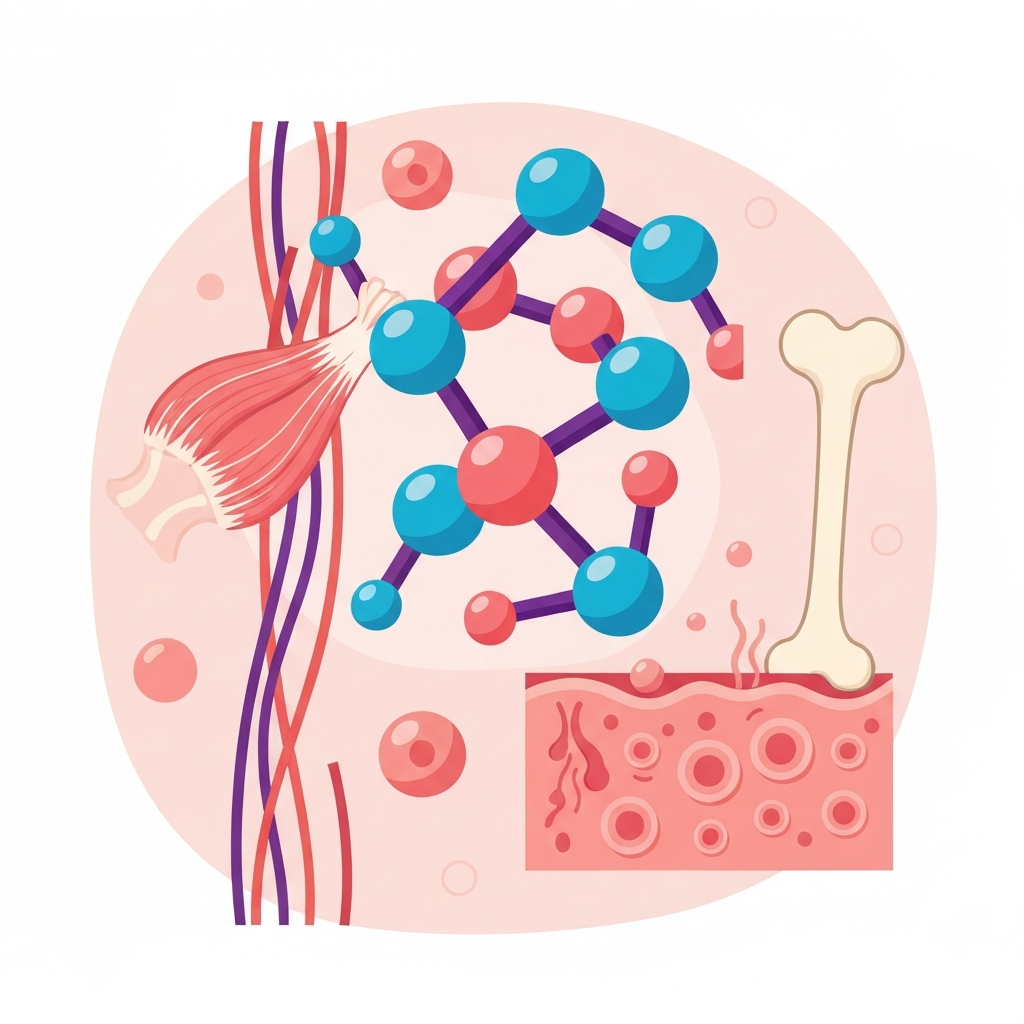
Proteins are complex molecules made up of smaller units called amino acids. These amino acids link together in long chains, forming different types of proteins, each with its own unique job. Some key functions include:
- Building and Repairing Tissues: Whether it’s muscle, bone, skin, or hair, protein is the primary material used to construct and mend these structures. When you exercise, for instance, protein helps repair the tiny tears in your muscles, making them stronger.
- Enzymes and Hormones: Many proteins act as enzymes, which are like tiny biological catalysts that speed up chemical reactions in your body. Others function as hormones, acting as chemical messengers that regulate various bodily functions, from metabolism to growth.
- Immune Function: Antibodies, which are crucial for fighting off infections and diseases, are proteins. A strong protein intake supports a robust immune system.
- Transport: Some proteins are responsible for carrying essential molecules, like oxygen, throughout your bloodstream. For example, hemoglobin is a protein that transports oxygen from your lungs to the rest of your body.
Protein Sources: What to Eat
You can get protein from a variety of sources, both animal and plant-based.
- Animal Sources: Meat, poultry, fish, eggs, and dairy products are excellent sources of complete protein, meaning they contain all the essential amino acids your body needs. For instance, how much protein in an egg? is a common question, and eggs are indeed a fantastic source.
- Plant Sources: Legumes (beans, lentils, peas), nuts, seeds, soy products, and whole grains also provide protein. While some plant sources may not contain all essential amino acids on their own, combining different plant-based foods throughout the day can ensure you get a full spectrum.
Understanding your protein needs is key to maintaining good health. For more information on nutrition and health, you can explore resources like The National Institutes of Health.
How Much Protein Do You Need?
The amount of protein an individual needs can vary based on age, activity level, and overall health. Generally, it’s recommended to aim for a balanced intake. If you’re curious about specific dietary recommendations, consulting with a healthcare professional or a registered dietitian is always a good idea. They can provide personalized advice based on your unique circumstances.
Frequently Asked Questions About Protein
What are the building blocks of protein?
The building blocks of protein are called amino acids.
Are all proteins the same?
No, proteins are not all the same. They differ in the sequence and type of amino acids they contain, which determines their specific function in the body.
Can I get enough protein from a vegetarian or vegan diet?
Yes, it is absolutely possible to get enough protein from a vegetarian or vegan diet by carefully planning meals and including a variety of protein-rich plant foods. Resources like [The Academy of Nutrition and Dietetics](https://www.eatright.org/) offer guidance on plant-based nutrition.