Did you know that carbohydrates have a significant impact on blood sugar levels? For individuals managing diabetes, making informed food choices is crucial, and bread is often a pantry staple that needs careful consideration.
While many breads are high in refined carbohydrates that can cause blood sugar spikes, several excellent options can be enjoyed as part of a balanced diabetic diet. The key lies in selecting breads with a low glycemic index (GI) and high fibre content.
Understanding the Glycemic Index (GI) and Diabetes
The glycemic index is a rating system for foods containing carbohydrates. It shows how quickly each food affects your blood sugar level when that food is eaten on its own. Foods with a high GI are digested and absorbed quickly, causing a rapid rise in blood glucose. Conversely, foods with a low GI are digested more slowly, leading to a more gradual and stable increase in blood sugar.
For people with diabetes, choosing low-GI foods can help with blood sugar management and reduce the risk of complications. Fibre plays a vital role here, as it slows down the absorption of sugar into the bloodstream.
Best Breads for Diabetics
When selecting bread, look for options made with whole grains, high fibre, and minimal added sugars. Here are five of the best choices:
1. 100% Whole Wheat Bread
This is often the go-to choice for many, and for good reason. True 100% whole wheat bread is made from the entire wheat kernel, including the bran, germ, and endosperm. This means it’s rich in fibre, vitamins, and minerals. The fibre content helps to slow down digestion and prevent sharp blood sugar increases. Always check the label to ensure it’s 100% whole wheat and not just ‘wheat bread,’ which may contain refined flour.
Expert Insight: According to the American Diabetes Association, whole grains are an excellent source of nutrients and can be part of a healthy diabetes meal plan. They recommend prioritising breads where whole wheat is the first ingredient.
2. Whole Grain Rye Bread
Rye bread, particularly the dark, dense varieties made with whole grain rye flour, is another fantastic option. Rye has a lower glycemic index compared to wheat and is packed with fiber. Studies have shown that rye can lead to greater feelings of fullness and improved blood sugar control. Opt for pumpernickel or dark rye made with 100% whole grain rye.
3. Sprouted Grain Bread
Sprouted grain bread is made from whole grains that have begun to sprout, or germinate. This process can increase the availability of certain nutrients and may also reduce the starch content, potentially lowering the GI.
Look for breads made from a variety of sprouted grains like wheat, barley, and lentils. The germination process can make the carbohydrates in the bread easier to digest and may contribute to a more favourable blood sugar response.
4. Oat Bread
Bread made with oats or oat flour can be a beneficial choice. Oats are well-known for their soluble fiber content, particularly beta-glucan, which is associated with improved cholesterol levels and better blood sugar regulation. When choosing oat bread, again, prioritize those made with whole grain oats and check for minimal added sugars.
5. Sourdough Bread (Whole Wheat or Rye)
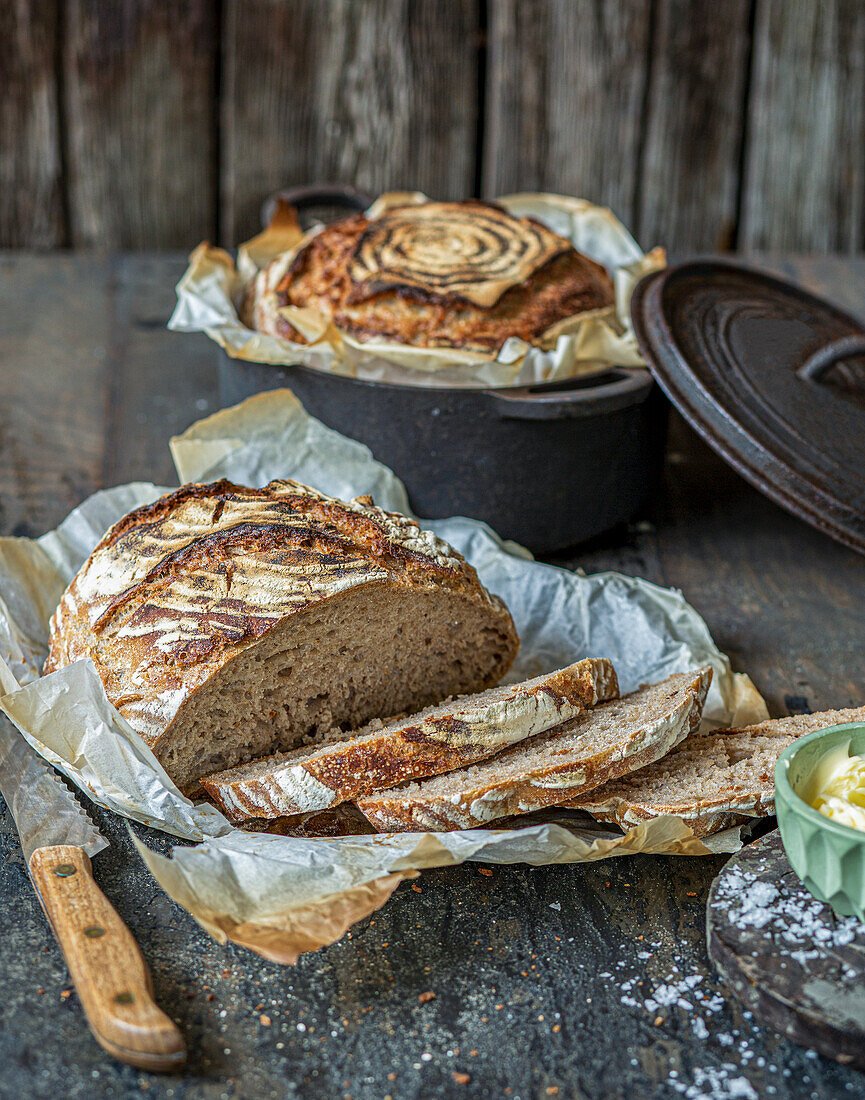
Sourdough bread undergoes a fermentation process using wild yeast and bacteria. This fermentation can alter the carbohydrate structure, potentially leading to a lower glycemic response compared to conventionally baked breads.
While traditional white sourdough might still affect blood sugar, opting for a whole wheat sourdough or whole grain rye sourdough combines the benefits of fermentation with the added fiber and nutrients of whole grains. The acidity from the fermentation process may also play a role in slowing gastric emptying and thus moderating blood sugar.
What to Avoid:
When you have diabetes, it’s generally best to limit or avoid:
- White bread: Made from refined flour, it has a high GI and is low in fiber.
- Sweetened breads: Breads with added sugars, honey, or high-fructose corn syrup can quickly raise blood sugar.
- Breads with refined grains: Always check the ingredient list for ‘enriched flour’ or ‘wheat flour’ as the primary ingredients.
Conclusion
Managing diabetes doesn’t mean completely giving up bread. By understanding the impact of different types of bread on blood sugar and making smart choices, you can enjoy this versatile food.
Prioritizing 100% whole grain, high-fibre options like whole wheat, whole grain rye, sprouted grain, oat bread, and whole grain sourdough can significantly contribute to stable blood sugar levels and overall health. Always remember to read labels carefully and consult with your healthcare provider or a registered dietitian for personalised dietary advice.